Emergency supermarkets as the Netherlands prepares for crisis
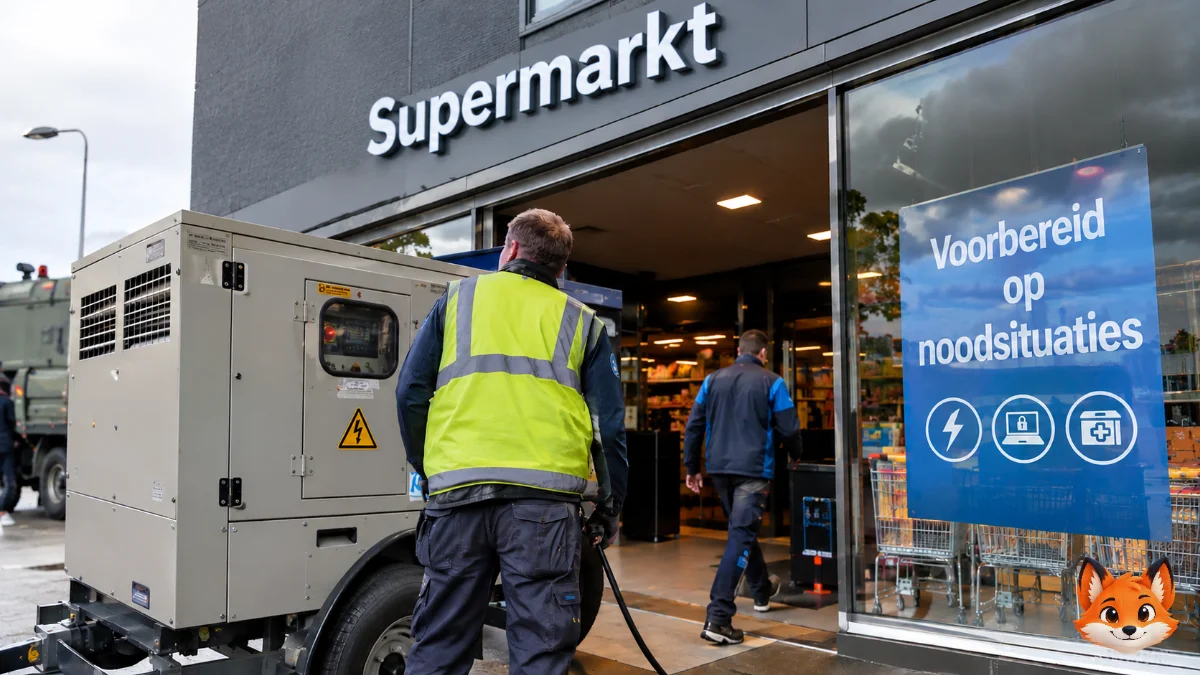 AI image
In short
- Supermarkets want everyone to reach a designated emergency store within 15 minutes by car.
- Selected stores would use backup generators and adapted systems to remain operational.
- The Netherlands has around 4,500 supermarkets, but the number of emergency stores has not been decided.
- Funding, emergency stocks and transport arrangements still need to be agreed.
Imagine walking to your local supermarket to buy bread, milk and dinner. But the doors stay shut. The checkouts are down, card payments do not work and the refrigerators are losing power. Dutch supermarket chains are now preparing for exactly this kind of situation.
Albert Heijn, Jumbo and Aldi are working on plans to keep designated emergency stores open during a major crisis. Their target is surprisingly specific: everyone in the Netherlands should be able to reach an assigned emergency supermarket within 15 minutes by car.
The scenario even has a name: phase black.
Supermarkets are preparing for the worst case scenario
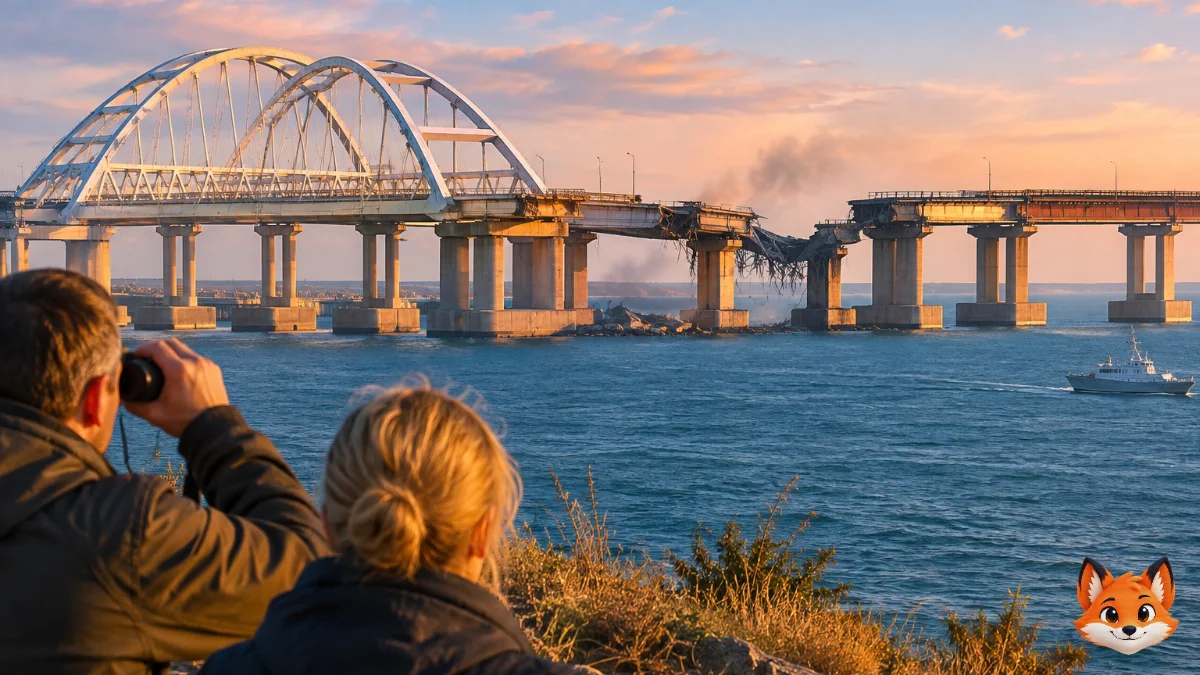
The plans are designed for situations in which the normal food supply is seriously disrupted. That could mean war, a major cyberattack, flooding or a prolonged power outage.
These would not be newly constructed buildings outside towns. Existing supermarkets would be adapted so they could continue operating during a crisis.
According to the Dutch supermarket trade association, the Centraal Bureau Levensmiddelenhandel (CBL), some of the country's approximately 4,500 supermarkets would be selected for this role.
Geographical coverage matters. Densely populated areas would probably need several emergency stores. Less populated regions might need fewer.
The target is for everyone to reach an emergency store within 15 minutes by car or 30 minutes by bicycle.
But keeping a supermarket open without normal services is more complicated than it sounds.
Without electricity, supermarkets quickly grind to a halt
Modern supermarkets depend on much more than staff and stocked shelves.
Automatic doors, lighting, checkout systems, refrigeration and payment terminals all need electricity. When the power goes out, problems start immediately.
That is why selected stores would need backup generators. These would keep essential systems running when the electricity grid fails.
Yet a generator does not solve everything.
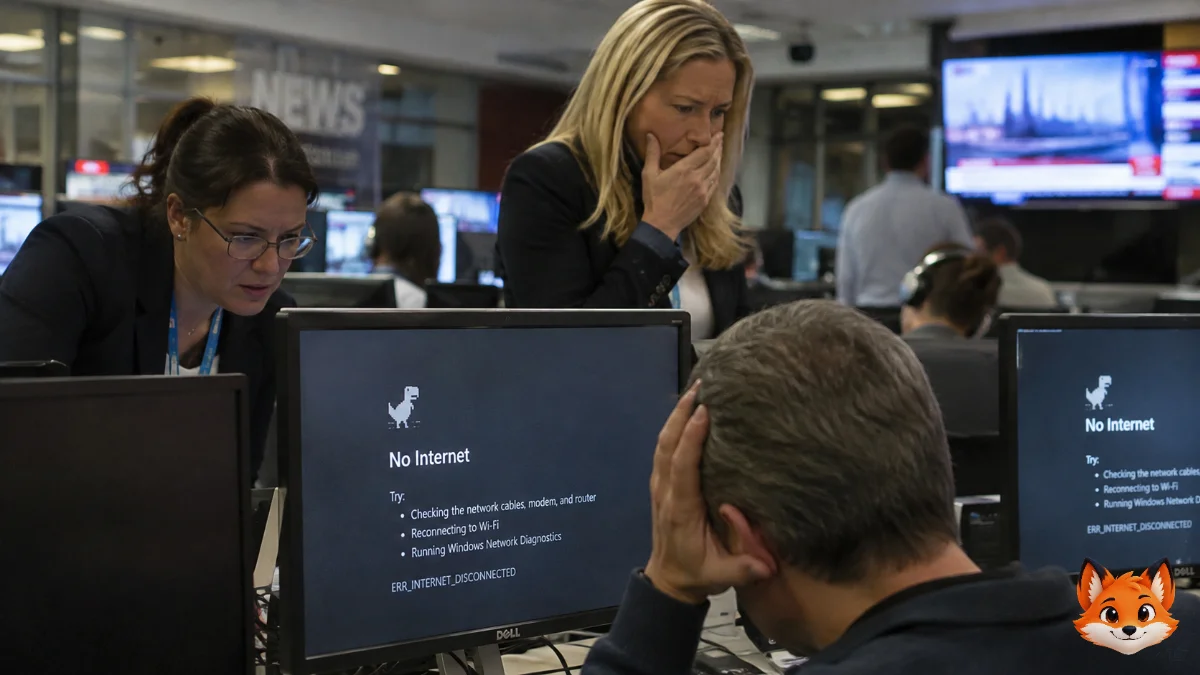
Internet connections, digital administration and deliveries also need to keep working. During a major cyberattack, systems may fail even when electricity is still available.
The Dutch government recognises this risk. Food production, refrigeration, transport, logistics and payments all depend on digital systems. A disruption in one part can affect the entire food chain.
A cyberattack showed how quickly shelves can empty
Recent problems at Albert Heijn have accelerated the discussion.
In October 2026, parent company Ahold Delhaize was hit by a cyberattack. Systems were shut down as a precaution. The consequences became visible in stores and delivery services.
According to CBL director Marc Jansen, Ahold Delhaize lost an estimated €200 million to €250 million in revenue as a result.
Within a day, empty shelves were visible at Albert Heijn, particularly among fresh products. Other supermarket chains noticed customers buying more from their stores.
That may sound like a temporary inconvenience. But it shows how dependent the Dutch food system is on functioning computers and distribution networks.
Dutch supermarkets operate efficiently. Some stores receive deliveries several times a day. This limits waste and helps keep costs down.
The downside is that large backup stocks are not necessarily available everywhere.
Emergency stores will probably offer a limited range
A regular supermarket carries thousands of different products. That would not be realistic during an emergency.
CBL director Marc Jansen has described a basic product range. Instead of the approximately 25,000 products available in a normal supermarket, emergency stores would focus on essential food and supplies.
That could include:
- Drinking water and long lasting food.
- Bread and basic food products.
- Supplies for babies and young children.
- Essential household products.
Another challenge is cooperation between supermarket chains.
Under normal circumstances, Albert Heijn, Jumbo and Aldi do not supply each other's stores. They use different computer systems, distribution centres and logistics arrangements.
In an emergency, they may need to work together. Even if normal digital systems are unavailable.
Those arrangements have not yet been fully developed.
The bill is still an open question
This is one of the biggest obstacles.
Buying, installing and maintaining a backup generator costs money. Keeping additional stock, arranging staff and adapting systems also create expenses.
The supermarket industry is therefore in talks with the Ministry of Agriculture, Fisheries, Food Security and Nature.
Who will pay for the investments has not yet been decided. The exact distribution of emergency stores and the size of their stocks also remain unresolved.
Meanwhile, the government is developing a National Food Security Crisis Plan. It is intended to clarify the responsibilities of businesses and public authorities during a food crisis.
The government's strategic food security agenda is expected to be finalised before the summer of 2027.
What does that mean? Phase black describes a scenario in which the normal food supply is seriously disrupted. It is not a declared state of emergency or an announcement that the Netherlands is about to run out of food.
The government wants households to be prepared for 72 hours
While supermarkets are considering emergency stores, the government is also asking households to prepare.
The official guideline is that you should be able to manage independently for the first 72 hours of an emergency. Emergency services cannot reach everyone at the same time.
Figures published in October 2026 show that the issue is increasingly on people's minds. More than half of Dutch residents are worried about the loss of essential services. More than 4 in 10 have already taken action to prepare.
The government recommends keeping enough water, long lasting food, a flashlight, a radio and cash at home.
In numbers: The government recommends keeping €70 in cash per adult and €30 per child for the first 72 hours. A household with two adults and two children would therefore need €200 under this recommendation. This is guidance, not a mandatory cash reserve.
The water guideline is 3 litres per person per day. A household of four would therefore need 36 litres for three days.
Emergency stores are not yet a final decision
The plans sound specific, but important questions remain unanswered.
There is no final list of participating stores. The exact number of emergency supermarkets required across the Netherlands has not been established either.
Talks between the supermarket industry and the government still need to clarify who pays, which products remain available and how deliveries would work during a crisis.
The government is also working on broader protection of the food chain. Since 15 August 2026, the Critical Entities Resilience Act has been in force. It requires designated companies in the food chain to take appropriate measures to prevent disruptions and limit their impact.
Preparation therefore goes far beyond installing a generator behind a supermarket.
Questions to ask
- Which supermarket in my region will be designated as an emergency store?
- How can I pay for groceries if card payments and the internet stop working?
- How much water and long lasting food does my household need?
- Who pays for the additional generators and emergency stocks?
- How will supermarkets receive deliveries if distribution centres stop operating?
This article is for educational purposes only and does not constitute financial or other personal advice.
Sources
- BusinessWise, Supermarkets prepare for phase black, 17 November 2026
- Government of the Netherlands, Protecting food supplies against digital and other disruptions
- Government of the Netherlands, Essential services during a crisis
- Government of the Netherlands, Denk vooruit campaign, 12 October 2026
- Denk vooruit, Preparing for 72 hours
- Government of the Netherlands, What should be in an emergency kit?